Modal Title
Lorem ipsum dolor, sit amet consectetur adipisicing elit. Iusto porro officiis beatae accusantium nam quis soluta? Sapiente in non inventore, explicabo distinctio, nostrum impedit delectus obcaecati corporis officiis, nihil repellendus.

Lorem ipsum dolor, sit amet consectetur adipisicing elit. Iusto porro officiis beatae accusantium nam quis soluta? Sapiente in non inventore, explicabo distinctio, nostrum impedit delectus obcaecati corporis officiis, nihil repellendus.
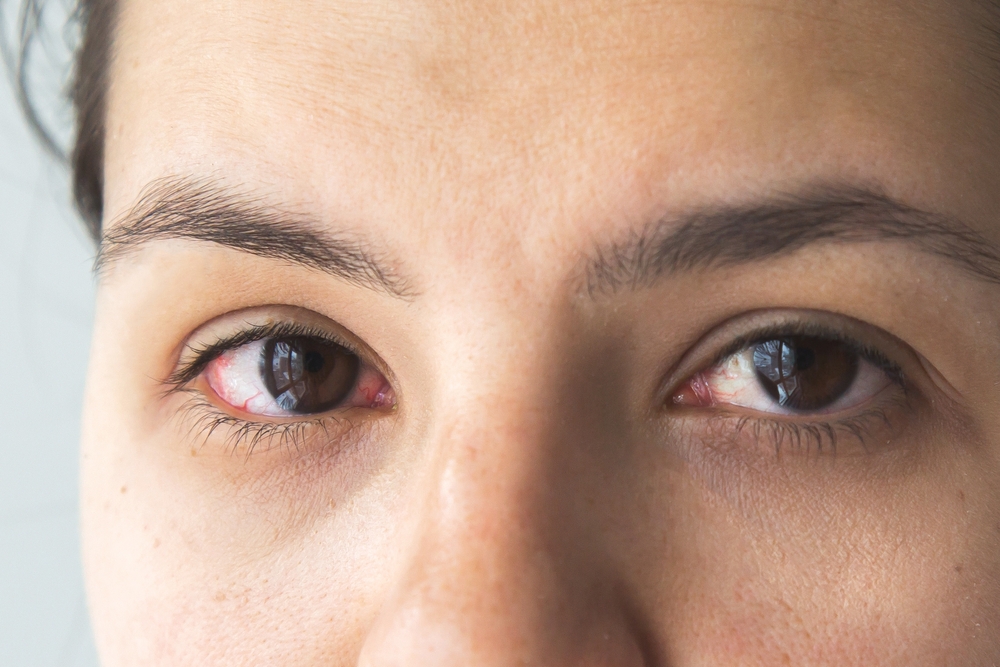
Dry, irritated eyes can make everyday activities uncomfortable, whether you're working on a computer, reading, or spending time outdoors. While occasional irritation may be caused by environmental factors, persistent symptoms could indicate an underlying eye condition that needs attention. At See Me Optometry, we help patients identify the causes of dry eye symptoms and find appropriate treatment options to restore comfort and support long-term eye health.
Dry eye occurs when your eyes don't produce enough tears or when your tears evaporate too quickly. Several factors can contribute to this imbalance, including:
• Excessive Screen Time: Staring at digital screens can reduce blinking, allowing tears to evaporate more quickly.
• Environmental Conditions: Wind, dry air, air conditioning, and indoor heating can contribute to eye irritation.
• Meibomian Gland Dysfunction (MGD): Blocked or poorly functioning oil glands in the eyelids can cause tears to evaporate too quickly.
• Allergies: Pollen, dust, and other allergens can trigger itching, redness, watering, and irritation.
• Contact Lens Wear: Wearing contact lenses for extended periods can worsen dryness, especially when lenses don't fit properly.
• Medications and Hormonal Changes: Certain medications, aging, and hormonal fluctuations can affect tear production and stability.
Identifying the underlying cause is important because different conditions may require different approaches to treatment.
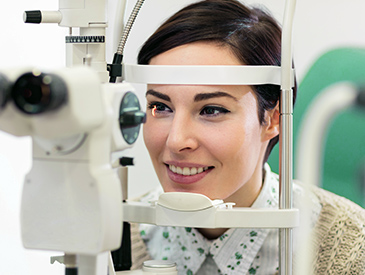
Not all eye irritation is caused by dry eye syndrome. Several conditions can produce similar symptoms, making it difficult to determine the cause without an eye examination. For example, eye allergies commonly cause itching and watery eyes, while blepharitis can lead to redness, crusting, and inflammation along the eyelids. Dry eye itself may also cause excessive watering as your eyes attempt to compensate for irritation. Our eye doctor can examine your tear film, eyelids, and ocular surface to help determine what's contributing to your symptoms.
Making small changes to your daily routine may help reduce mild dry eye symptoms. Taking regular screen breaks, blinking more frequently, and avoiding direct airflow from fans or air conditioners can help minimize tear evaporation. Using a humidifier in dry indoor environments may also improve comfort.
Preservative-free artificial tears can provide temporary lubrication, while warm compresses and proper eyelid hygiene may help patients experiencing oil gland dysfunction. However, if your symptoms continue despite these adjustments, additional treatment may be necessary.
Occasional dryness may improve with simple lifestyle adjustments, but persistent or recurring symptoms shouldn't be ignored. Consider scheduling an eye examination if you experience frequent burning, redness, gritty sensations, excessive tearing, or fluctuating vision. These symptoms may indicate an underlying issue affecting your tear film or ocular surface.
Severe eye pain, sudden vision changes, or significant light sensitivity require urgent medical attention. Contact lens wearers experiencing eye pain or redness should also seek prompt evaluation.
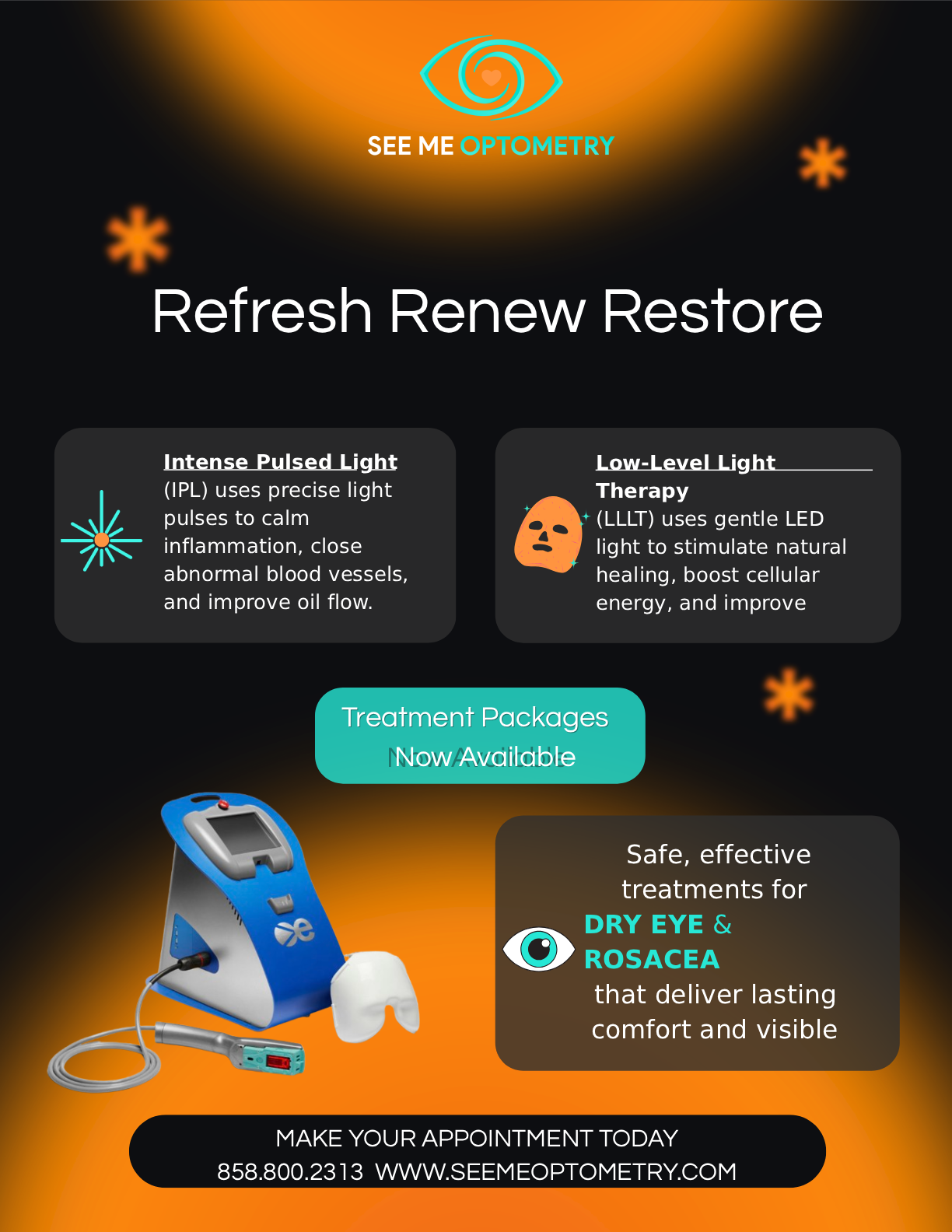
At See Me Optometry, we evaluate the underlying factors contributing to eye dryness and irritation before recommending treatment. Depending on your needs, treatment may include lubricating eye drops, eyelid care, prescription medications, or advanced options such as intense pulsed light (IPL) and low-level light therapy (LLLT) for appropriate patients.
If you're experiencing persistent dryness, redness, or irritation, schedule a dry eye evaluation with See Me Optometry to learn more about your treatment options. Visit our office in La Jolla, CA, or call (858) 800-2313 to book an appointment.
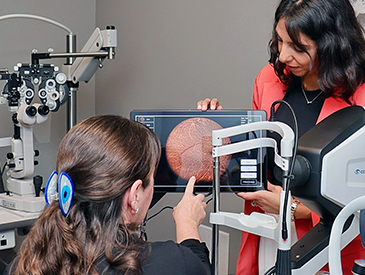
Discover personalized eye care excellence with our comprehensive services. From eye exams to advanced diagnostics, trust us for all your vision needs.
For non-urgent questions or to learn more about our services, contact us today!
© 2026 See Me Optometry. All rights Reserved - Accessibility Statement - Privacy Policy - Terms & Conditions -Sitemap
Managed and Designed by